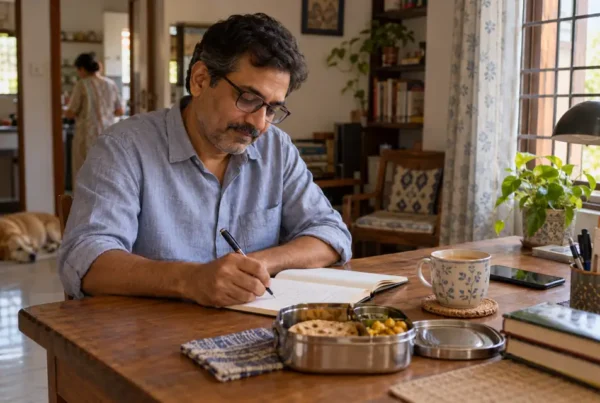


Learning how to write a memoir when memories feel incomplete begins with accepting that memory is not a perfect recording. Most people remember some seasons in vivid detail, others in fragments, and a few stretches only through family stories or photographs. You can still write a meaningful life story when memories feel incomplete. The key is to show what you know, mark what you are unsure about, and resist the urge to fill gaps with guesses.
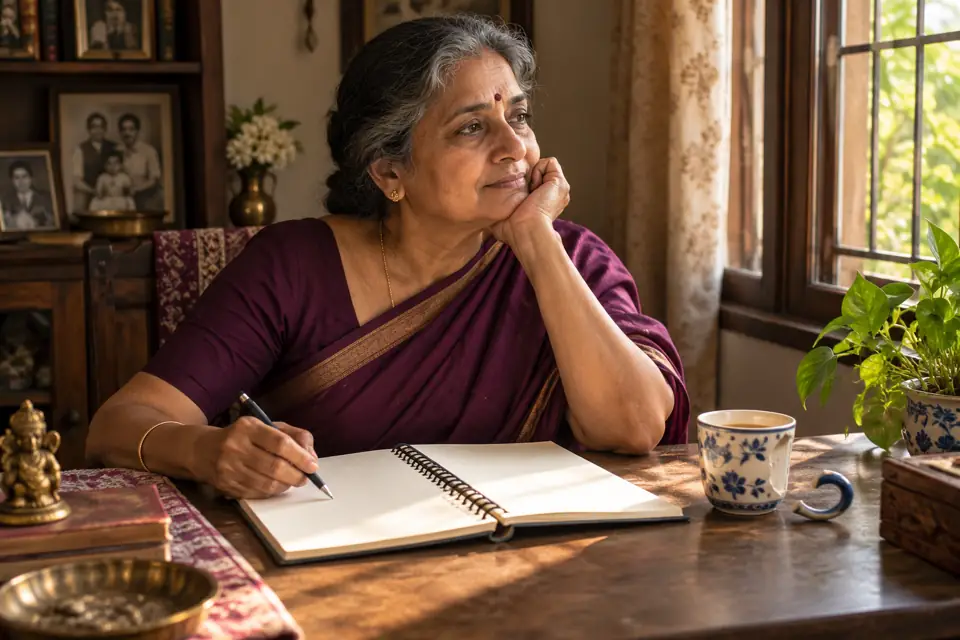
If you have been wondering how to write a memoir but keep stopping because the timeline is hazy, begin with the pieces you can trust. A remembered scene, a familiar voice, a place you can still picture, or a story told by someone you love can all become a starting point.
Let go of the idea that memory is a recording
Memory is selective. It holds on to a smell, a sentence, or the feeling of standing at a doorway, while dates and surrounding details may fade. That is normal. Memoir writing is not an examination where every answer must be exact. It is an effort to make sense of a lived experience as you understand it today.
Instead of waiting until you can remember everything, write down what is clear now. Leave a blank line where a missing detail belongs. You can return to it later, and the blank itself may help you ask a better question.
Separate what you remember from what you have been told
Readers trust a memoir when its narrator is candid about how a scene is known. Keep a simple note beside each memory: “I remember,” “my sister recalls,” “the letter says,” or “I am not sure.” These phrases do not weaken a story. They help the reader understand the difference between firsthand memory and later discovery.
When two relatives remember an event differently, you do not have to choose a winner. You can describe both accounts and explain what each person carried away from the moment. A family story can hold more than one point of view.
Use photographs and keepsakes as doorways
Objects can prompt memories without dictating what you should remember. Look at one photograph at a time. Notice the room, clothing, weather, or people at the edge of the frame. Ask yourself what happened just before the picture was taken and what happened after everyone went home.
Letters, recipes, school notebooks, calendars, and recorded messages can also help you rebuild context. Treat them as clues, not proof of every feeling in a scene. A photograph can show who was present; it cannot tell you what each person was thinking.
Write the sensory detail you can honestly recall
A small sensory detail often carries more truth than a long description. Perhaps you remember the rough chair at your grandmother’s table, the sound of a ceiling fan, or the taste of tea after a difficult conversation. Write that detail plainly. Avoid adding colors, dialogue, or motives simply because they would make the scene more dramatic.
If you remember the emotion but not the exact words, say so. For example: “I cannot recall the sentence, but I remember how carefully he spoke.” That is more trustworthy than inventing a quotation.
Build the memoir around turning points, not a flawless timeline
You can organize a memoir by theme, relationship, place, or a handful of moments that changed how you saw yourself. A timeline is useful, but it does not have to control the book. Start with a scene you remember well, then connect it to the questions that still matter to you.
Try writing three short lists: moments you remember clearly, periods you want to understand better, and stories other people have shared. Look for a thread between them. The thread might be belonging, work, love, responsibility, migration, faith, or learning to begin again.
Ask family members with curiosity and care
A relative may remember details you have forgotten, but an interview should feel like a conversation rather than cross-examination. Ask open questions such as “What do you remember about that house?” or “What was important to you then?” Give the person time to think. If a topic feels painful, offer to pause or move on.
Record dates and names when they are useful, and ask permission before saving or sharing a recording. You can compare recollections later without treating anyone’s memory as a final verdict. Your goal is to understand the story, not to force everyone to agree.
Protect your boundaries while writing
Writing about family history can bring up grief, anger, tenderness, or uncertainty. You control what belongs in the first draft and what stays private. You can change names, leave out identifying details, or decide that a particular chapter is not ready to share.
Keep a separate “questions for later” page so you do not have to solve every difficult memory in one sitting. Set a short writing period, take a break, and return when you feel steady. A life story can be honest without exposing every part of your life.
A practical exercise for incomplete memories
Choose one period that feels blurred. Write for ten minutes without trying to make polished prose. Use four prompts:
- What is the first thing I can picture?
- What do I know from a letter, photograph, or another person?
- What do I feel confident about, and what remains uncertain?
- What question would I ask my younger self?
Then turn one clear detail into a short scene. Add a note where information is missing and move forward. Progress comes from gathering honest fragments, not waiting for certainty to arrive all at once.
Your story can hold the gaps
A memoir shaped by incomplete memories can still offer clarity, connection, and meaning. State what you remember, show how you learned the rest, and let uncertainty remain when that is the truth. If you are looking for more practical prompts, visit our autobiography writing resources and choose one question to begin with today.