

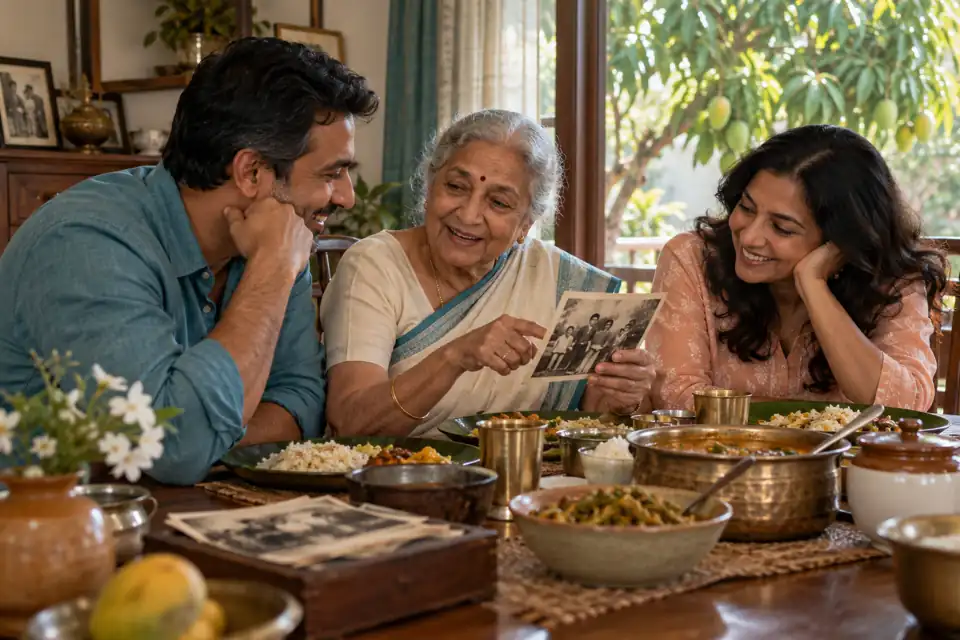
A professional biography writer helps turn a person’s experiences into a clear, memorable account. The best biography writing services do more than arrange dates. They listen for the choices, relationships, turning points and values that explain why a life unfolded as it did. That matters whether you are preserving a parent’s story, documenting a family biography, or preparing a professional biography for a public audience.
Decide who will read the biography and what they should understand. A family history book, professional profile and full-length life story require different research and detail. Define the purpose early to protect the subject’s voice and set expectations.
Start with the purpose of the biography
Write one sentence about who will read the story and what you hope they will understand. Perhaps grandchildren should know how a family moved across countries. Maybe colleagues need a trustworthy account of a founder’s decisions. Or you may want to preserve a personal history for relatives who have not yet been born. The purpose guides the length, tone and material the writer should gather.
Be specific about the subject. A biography tells another person’s life, usually with their participation or with permission from the people who hold the relevant records. An autobiography is written by the person whose life is being described. A memoir concentrates on a particular period, relationship or theme rather than trying to cover every year. When asking about autobiography writing services or memoir writing services, explain which form fits your goal instead of relying on labels alone.
Choose a writer whose experience fits the story
Ask the writer what kinds of stories they have shaped and how they approach unfamiliar subjects. A family biography needs patience with relationships, changing memories and family language. A business profile may need a tighter focus on decisions and leadership. A family history writer may be comfortable working with photographs, letters and oral history, while a professional biography writer may focus on interviews, career milestones and a concise public-facing narrative.
Relevant experience is useful, but a good fit is also personal. The subject should feel listened to, not examined. Ask how the writer handles a story that includes migration, grief, conflict, changes in identity, or memories that relatives recall differently. A respectful writer will make room for complexity and explain how differing accounts can be represented without pretending that every memory is identical.
Ask for a brief sample, with permission, and clarify how it reflects the writer’s usual style. The goal is to bring the subject’s own voice forward, not imitate someone else.
Ask how interviews and materials will be gathered
Biography writing often begins with conversation. Find out whether interviews happen by phone, video, in person or through recorded answers. Ask how long each session usually lasts, whether a family member can join, and what happens if speaking for a long time is tiring. A good process can be divided into short conversations so the subject can remember at a comfortable pace.
Ask what materials are helpful. Photographs, diaries, letters, certificates, recipes, work records, voice notes and family timelines can jog memory, but no one should feel obliged to uncover a perfect archive. The writer should agree with you before using a document or quotation and should record where important facts came from. If relatives contribute memories, clarify whether they are sources, interviewees or collaborators.
Some people find it easier to talk than to type. Others prefer to make notes privately first. A life story writer should be able to explain options clearly. For example, eAutobiography describes a voice-led storytelling platform on its main site, while its ghostwriting service describes guided conversations and chapter review. These are different ways to begin; choose the level of human writing support that suits the subject.
Protect the subject’s voice and choices
Ask how the writer discovers a person’s natural way of speaking. Do they notice favourite expressions, humour, pauses and the details the subject returns to? Will the subject review sample pages early, before the full draft is complete? Early feedback can prevent a polished manuscript from feeling unfamiliar.
Agree on language, names, pronunciation, cultural references and how to handle words that do not translate neatly. If the subject speaks in more than one language, the writer should ask which language to use for interviews and which language the final story should use. The aim is to make the story readable while preserving the meaning and character of the person’s speech.
Set boundaries before writing begins. The subject may want to exclude some memories, use initials, change identifying details or keep certain chapters private. A biography writer should not pressure anyone to disclose painful experiences. The subject should know who will see drafts, who owns the final manuscript and whether the work will be shared publicly, privately or only within the family.
Understand the process, scope and revisions
Ask for a clear description of the work from first conversation to final file. A proposal may include a story brief, interview hours, an outline, chapter drafts, fact checks, editing and agreed revisions. Confirm what is not included, such as archival research, translation, photo restoration, printing or permissions for third-party material. Written expectations make biography writing services easier to compare.
Find out how the writer handles review. Will chapters arrive one at a time? How much time will the subject have to respond? How many rounds of changes are included? Ask whether you can correct facts, remove material or request a different emphasis. Editorial suggestions are valuable, but the subject should retain a clear path to approve the story.
Timing depends on the length of the book, how quickly interviews can be arranged and how much source material needs checking. Ask for a realistic schedule with milestones rather than a rushed promise. If the subject’s health, travel or energy may change, discuss a flexible plan and ask whether recordings can be used to continue the work later.
Compare services beyond the quoted price
When comparing a biography writing service, look at the full scope, not just the initial quote. Does the writer create the outline and interview the subject? Is editing included? Are revisions limited? Will you receive an editable manuscript, a formatted digital book or both? Who handles permissions for documents and photographs? Clear answers help you understand the value of the work.
Professional bio writing services for a website or work profile are usually shorter and more focused than a family biography. They may centre on expertise, roles and achievements. A life story book needs wider context: childhood, family, formative choices, setbacks and lessons. Avoid a proposal that treats every project as the same package. The story’s purpose should determine the approach.
Be cautious of guaranteed word counts without a clear process; a longer book is not automatically a better one.
Prepare a simple story brief
You do not need to write a full outline before meeting a writer. A one-page brief is enough to start. Include the subject’s preferred name, the intended readers, the reason for creating the story, the language, any dates or events that matter, and topics that should be handled carefully. Add the names of people who may have useful memories, but ask before sharing anyone’s private contact information.
List a few moments that feel central: a move, a first job, a family tradition, a difficult decision, a turning point or a lesson learned late in life. Note which details you know from documents and which come from memory. This helps the writer see where to ask open questions and where research may be needed. It also gives the subject a manageable place to begin.
Do not wait until every photograph is sorted or every relative agrees. Begin with what the subject is comfortable sharing. A thoughtful family history writer can help organize materials over time, while the subject remains free to correct, add or withhold information as the project develops.
When a self-guided platform may be enough
Not everyone needs a hired writer. If you enjoy writing, have time to shape chapters, or want to record memories gradually, a guided platform can help you build a digital autobiography at your own pace. If typing is difficult, a voice-based tool may make it easier to capture memories before they fade. You can also begin with a short timeline or a collection of stories for one person, rather than planning a complete book immediately.
Consider life story writing services when you want structured help with interviews, narrative flow, editing or a finished manuscript. Consider a self-writing approach when you want control over each paragraph and prefer to add memories over time. The choice can also change: someone may begin by recording their own stories and later ask a writer to shape them into a manuscript.
Questions to ask before you choose
- How do you help a subject feel comfortable during interviews?
- How will you preserve the subject’s voice and handle conflicting memories?
- What research, drafting, editing and revisions are part of the proposal?
- How are privacy, ownership and permission for family materials handled?
- What will the final files look like, and can the family make future edits?
A biography is more than a list of dates. It is a careful account of what mattered to someone and why. The right professional biography writer will listen before shaping the narrative, explain the process clearly and respect the subject’s choices at every stage. Start with the purpose, ask about the work and choose a process that feels safe and manageable. A conversation, a photograph or a remembered phrase can be enough to begin preserving a family story.