
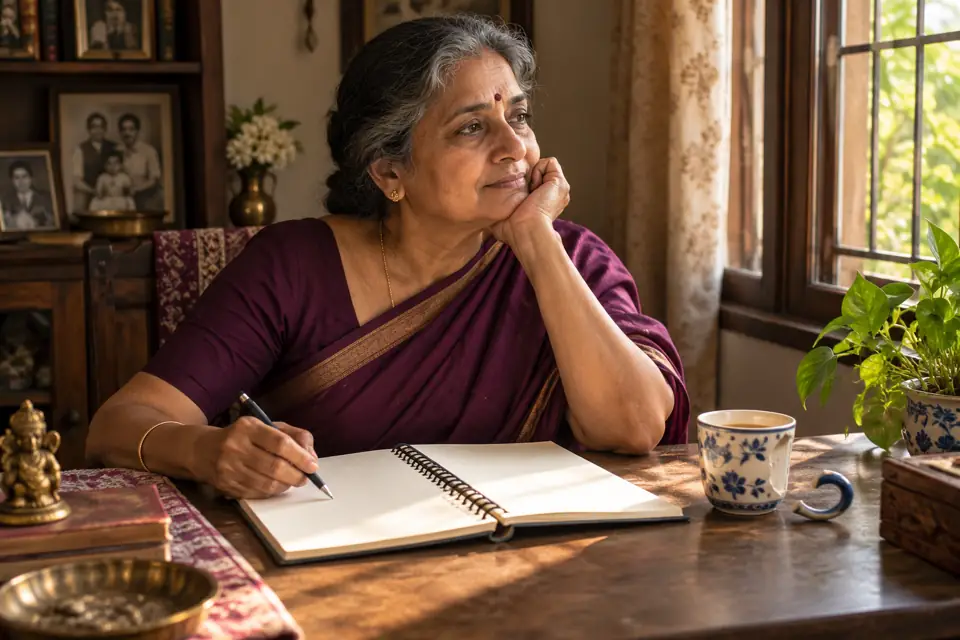
A blank page can make a whole life feel impossible to explain. You may have memories, photographs and people who matter, yet still wonder how to begin an autobiography and memoir. The answer is not to find the perfect first sentence. It is to make the next step small enough to take. A life story can begin with one image, one question or one ordinary moment; this is often the gentlest doorway into autobiography and memoir. You do not need to know the ending before you write the opening.
Why the first page can feel so difficult
An autobiography asks you to look across many years at once. That wide view can create pressure: where should the story start, what deserves a place, and will anyone understand? Memoir writing adds another layer because it asks what an experience means, not only when it happened. When these questions arrive together, even a person with a rich personal history may freeze.
Try separating the work into two tasks. First, gather material without judging it. Later, shape the material into chapters and scenes. Your first notes are not a promise to publish every detail. They are a way to hear your own voice and discover which part of the life story is ready to be told.
Begin with one scene, not your whole life
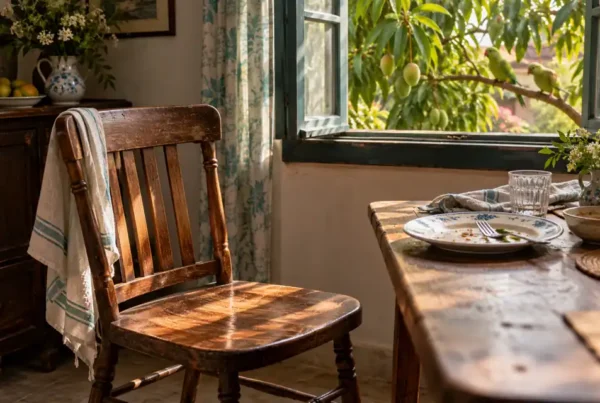
Choose a moment that still has a little energy for you: a kitchen conversation, a first day at work, a long journey, a decision, or a time you felt welcomed. Set a timer for ten minutes and describe what you can see, hear and feel. Keep the scene modest. A short account of a familiar room can reveal more than a rushed summary of decades. One scene gives an autobiography and memoir a human-scale doorway.
If you cannot decide which moment to choose, open a photograph or hold an object connected to a memory. Ask what happened just before and just after it. This is a useful way to begin an autobiography because it replaces an abstract life with something tangible. You can write a scene now and decide later whether it belongs near the beginning, middle or end.
Use a question to unlock your memoir
Questions give a page direction without demanding a polished answer. Try: What did home feel like when I was young? Which responsibility changed me? What did I believe then that I understand differently now? Who helped me through a difficult season? Write the question at the top of the page, then follow the memory wherever it leads.
A memoir is not a complete inventory of every event. It is a personal account shaped by meaning. This is what makes autobiography and memoir writing manageable: follow meaning, not an exhaustive record. If one question leads to a story about belonging, work, family or change, stay with that thread. The goal is not to sound impressive. It is to be specific enough that a reader can sense why this memory matters to you.
Make a memory map before making chapters
When a full outline feels intimidating, create a simple memory map. Write a few life stages, places, relationships or turning points on separate cards. Add a remembered scene beneath each one. Do not force the cards into a perfect timeline. The map is only a way to see what material you already have and which areas need more thought.
You might notice that family memories gather around a particular home, or that several career moments connect through a lesson about purpose. Those patterns can become the structure of your autobiography and memoir. If you want a model for turning remembered moments into a readable narrative, explore our guide to writing through incomplete memories and adapt its gentle approach to your own material.
Give yourself permission to write a rough version
A first draft is a place to think on the page, not a final test of your writing ability. Use plain words. Leave reminders such as “[check the year]” or “[ask my cousin about this].” If you remember the feeling but not the exact dialogue, describe the feeling rather than inventing a quotation. Honest uncertainty is stronger than false precision.
You can also speak your recollection into a voice note and transcribe or summarize it later. Talking may feel more natural than typing, especially when the story concerns a family history or a person you miss. It can be an easy first step in autobiography and memoir writing. Oral history begins with listening carefully; an audio note can help you preserve your first thoughts before you arrange them into written memoir writing.
Set a routine small enough to keep
A dependable ten-minute routine often works better than waiting for a free afternoon. Choose a regular cue, such as after breakfast or before bed. Keep your notebook, document or recording tool ready. At the end of each session, write one sentence about what you could explore next. That small handoff makes returning easier because you do not have to start from zero.
Measure progress by sessions or scenes, not by perfect pages. Some days you may write a paragraph; on others, you may only list names, places or family memories. Both count as gathering material. A steady rhythm turns “I should write my life story” into a manageable practice and gives a future life story book a foundation built from your own words.
Use memory aids without letting them take over
Letters, calendars, recipes, certificates and photographs can bring details back. Treat them as prompts, not as the story itself. A photograph may confirm who stood in a garden, but it cannot tell you what each person felt. Note which details you remember directly and which came from a document or another person. This distinction helps readers trust your account.
If dates are uncertain, mark them for checking and keep writing. Ask a relative an open question if it feels appropriate, and respect their boundaries as well as your own. A useful autobiography example does not pretend that every memory is exact; it shows how a person makes meaning while remaining careful about facts.
Know when to pause, change direction or seek support
Some memories are emotionally demanding. You do not have to write a difficult chapter in one sitting, share it with family, or include it in the finished book. You can skip a section, change the subject, or keep a private version. If writing brings up more than you can comfortably manage, pause and speak with someone you trust or a qualified professional.
Support can also mean practical help: an editor, interviewer or professional writer who listens while you tell the story. The right approach should preserve your voice and your choices. Whether you write alone or with help, the purpose is a truthful personal history that feels like yours—not a performance shaped to please every reader.
Turn today’s small start into tomorrow’s next step
Before you finish a session, choose one simple next action: write the next scene, label a photograph, list three questions, or record a short voice note. Keep a “later” list for facts to check and ideas that do not belong in today’s draft. This protects your writing time from becoming a long research project before you have begun.
If you want to see how a story can grow from ordinary moments, read our practical starting guide. Use it as encouragement rather than a template to copy. Your details, priorities and voice will be different, and that difference is the reason your story deserves to be written.
Your story can begin before you feel ready
You do not need a complete outline, a dramatic opening or certainty about every fact to begin an autobiography and memoir. You need one reachable memory and a little time to stay with it. Let the first draft be imperfect. Let the structure emerge after you have gathered enough scenes to recognize the patterns.
Start with ten minutes today. Describe one moment as you remember it, note what remains unclear, and decide what you want to explore next. That small beginning is already part of the work. A meaningful life story is made one honest page, question and memory at a time.