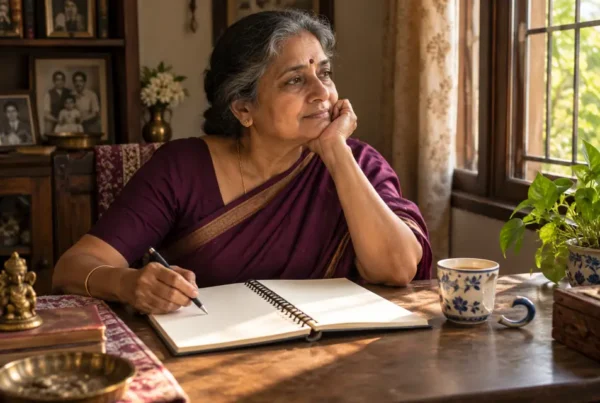


Writing an autobiography and memoir matters because a life is more than dates, jobs, places, and milestones. It is also the meaning a person gives to those events: what they learned, whom they loved, what they carried forward, and how ordinary days shaped their values. A written life story can preserve that meaning for the writer and for readers who may one day ask, “What was it really like?” You do not need fame, perfect memory, or a dramatic plot. You need a willingness to look back with care and begin with what you know.
A life story can become more than dates
A timeline can show when someone moved, studied, worked, or raised a family. It cannot, by itself, explain why those moments mattered. Autobiography writing connects events to choices, relationships, setbacks, humor, beliefs, and change. Readers learn not only what happened, but how the person understood it then and how that understanding evolved. This context makes a personal history feel alive rather than archival.
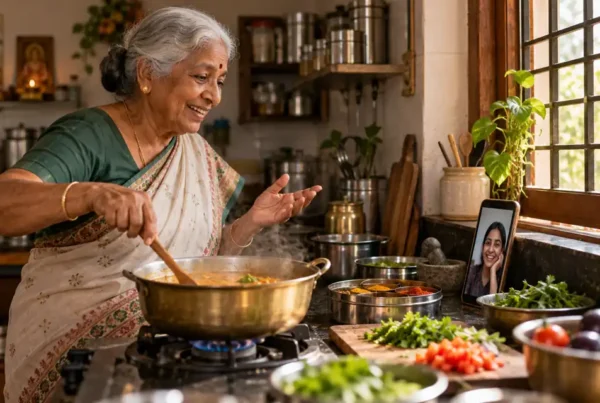
A short passage about a familiar kitchen, a long commute, or a difficult decision can carry more insight than a page of dates. Autobiography examples show the range of possible voices and structures. The useful lesson is not to copy another person’s story. Notice how a writer selects details, builds scenes, and lets readers understand what changed.
Autobiography and memoir offer different lenses
An autobiography usually covers a broad span of the author’s life, while memoir writing often focuses on a particular period, relationship, place, or theme. The forms can overlap. You might write an autobiography that gives a wide view of your journey, then use memoir techniques to make key moments vivid. Or you might start with a theme such as migration, parenting, work, faith, friendship, or rebuilding after change.
Questions about how to write an autobiography or how to write a memoir become easier when you decide what you want readers to understand. Which experiences explain the person you became? What do you want your family to know about the choices behind the facts? What part of your story still feels unfinished? A memoir does not include everything, and an autobiography need not give every year equal space. Purpose helps both forms stay honest and readable.
A written record preserves context, not just names
Families often keep photographs, certificates, recipes, letters, and family tree records. These materials preserve names and dates but rarely explain the circumstances around them. Why did a household move? What did work demand? Which language was spoken at home? A life story can place these details in context so future generations inherit more than a set of connections.
A family history may include migration, changing borders, new languages, or traditions rarely written down. A careful account distinguishes memory from documented fact and explains what remains uncertain. It helps descendants recognize that their lives did not begin with them; they are part of a story shaped by many people and places.
Writing can help you notice change
Looking back may reveal patterns that were hard to see while life was moving quickly. A childhood responsibility may have influenced later choices; a setback may have changed your priorities; support may have arrived from an unexpected place. The point is not to force every event into a neat lesson. Some experiences remain complicated. Writing offers room to examine what happened, what you believed then, and what you understand now.
This reflection can happen at a comfortable pace. Write a few lines, pause, and return another day. Leave a difficult chapter for later or decide it is private. A story can be meaningful while protecting boundaries and respecting other people who appear in it.
Ordinary moments reveal what mattered
Many writers hesitate because they think an autobiography needs extraordinary achievements. Ordinary scenes often reveal character: a parent making time after a long shift, a neighbor sharing food, a friend arriving when needed, or someone trying again after a plan fails. Instead of saying “we were close,” describe one moment that shows closeness. Instead of saying “work was hard,” recall a particular day or task. Memoir examples can show how one concrete detail gives readers a place to stand while you explain why it mattered.
Stories create bridges across generations
When someone writes down a story, younger relatives can return to it after the storyteller is no longer available to answer questions. They may learn how an elder met a challenge, why a tradition mattered, what a household sounded like, or how a family adapted to change. These accounts can prompt conversations between relatives who might otherwise know one another mainly through dates and photographs.
Oral history interviews are one way to begin. Ask open questions, listen without rushing, and record only with permission. Relatives may remember the same event differently; note the difference rather than erasing it. Preserve exact words only when you have a recording or reliable notes. Label who shared each memory so later readers understand its source.
Truth and complexity make a story credible
A good life story does not need to turn its subject into a hero or a villain. People can be generous in one setting and difficult in another. They can regret a choice and still understand why they made it. Writing with nuance makes an autobiography or memoir more credible because real lives contain contradiction.
Check names, dates, places, and quotations against available records. Mark uncertain details rather than quietly turning a guess into fact. When a story involves living people, consider privacy, consent, and whether a detail is necessary. You can tell the truth without publishing every private conversation. A trusted reader can flag confusing passages while you keep the final voice your own.
A personal history can take several forms
Records and photographs are valuable, but a personal history explains the human setting around them. A school certificate shows where someone studied; a story can show what it took to get there. A recipe preserves ingredients; a memory can tell who prepared it and why everyone gathered. Autobiographical writing can complement a family tree or family history book without replacing either. A tree maps relationships, while an autobiography shares the writer’s own perspective.
A digital autobiography can combine chapters with approved photographs, audio, and documents, while captions provide context. A printed life story book may be better for relatives who like reading on paper. The format can change; the purpose remains to help a reader understand a real life.
Start with one question and one scene
You do not need to plan every chapter before beginning. Choose one question: What did home mean to me? Which person changed my direction? What did I learn later than I wish I had? Write one scene that helps answer it. Note the people, place, approximate time, what happened, and why it stayed with you. If another memory appears, add it to a list for later.
A routine can be small: ten minutes after breakfast, one voice note during a walk, or one conversation with a relative each week. You can arrange the story chronologically later, group chapters by theme, or make a timeline to see where the pieces connect. If you want to write my autobiography but feel unsure where to start, begin with one question and answer it in your own words.
For a family-centered example, read this guide to telling a family biography. For ideas about preserving stories as a keepsake, explore how a life story book can hold family memories.
Your story can serve more than one generation
The importance of writing an autobiography is not that every reader will interpret it the same way. It is that a life becomes available for understanding, reflection, and conversation. A child may discover where a family expression came from. A grandchild may recognize a value they inherited. A future reader may learn how a community changed through one person’s experience.
Begin while details are still within reach, but do not wait for a perfect moment. An autobiography and memoir can grow from one scene, one recorded answer, or one page written with care. Those pieces can become a record of experience that belongs to you and can be passed on by choice. Your story does not need to be complete to be worth beginning.