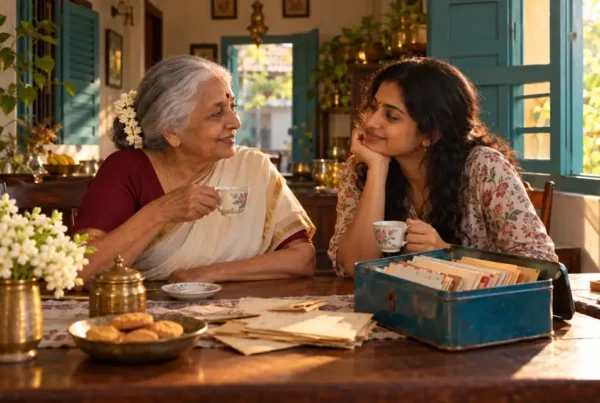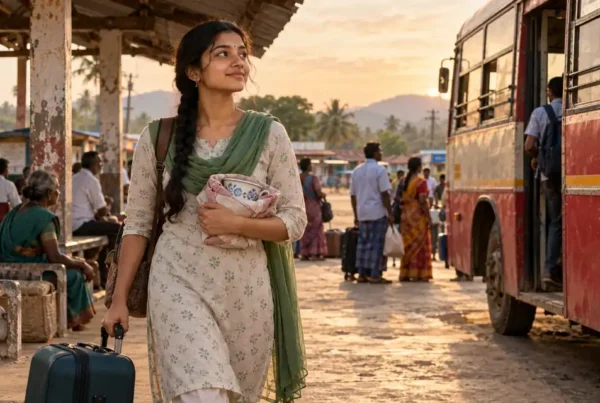


A family biography can begin with something small: a recipe card covered in careful handwriting, a photograph tucked into a book, or a familiar phrase that everyone remembers hearing at home. These details open the door to a whole life. They help readers see a person not as a list of dates, but as someone who made choices, cared for others, worked, changed, and belonged to a time and place. That kind of detail often becomes the opening scene in a family biography.
What makes a family biography different?
A biography tells the story of someone’s life, usually from another person’s point of view. A family biography adds the closeness of shared relationships: the writer may be a child, grandchild, sibling, cousin, or family friend. That closeness brings valuable knowledge, but it also means you must separate what you remember from what you have verified.
It is different from a family tree or genealogy project. A family tree can show names, dates, and connections. A family history book can explain how people moved, worked, and built a community. A biography focuses on one person’s experiences and character, using family history as context. It can include the subject’s own words, photographs, letters, and the recollections of people who knew them.
An autobiography is told by its subject; memoir writing often selects one meaningful part of a life. A family biography can draw on both while making clear whose words are quoted and what sources support the account. The focus of a family biography is the subject’s lived experience, not just family connections.
Begin with the question you want the story to answer
Before you gather every document in the house, decide what you want readers to understand about this person. Perhaps the central question is how they built a home after migration, how they kept a family business going, what shaped their values, or how they supported people through a difficult period. A clear question gives the book direction and helps you decide which details belong.
Keep the scope manageable. Choose a period, theme, relationship, or turning point that gives the story shape. The goal is not to include every event, but to show how important events connect. The question keeps a family biography from becoming a folder of unrelated facts.
Write down what you already know, what you only suspect, and what you still want to ask. This simple list prevents assumptions from quietly becoming facts. It also helps you identify which family members, records, and photographs could fill gaps.
Gather family history before drafting
Start with materials already available: birth, marriage, school, and employment records; letters; diaries; certificates; newspaper clippings; travel papers; recipes; and photographs. Note who created each item and when. A document may confirm a date, while a letter may reveal the tone of a relationship. Neither source tells the whole story by itself.
Make a simple source log. Record the item, its owner, the date or period it relates to, and any question it raises. Keep digital copies in clearly named folders, and store originals carefully. If you build a family tree as a reference, mark uncertain relationships instead of presenting guesses as established facts. Use those connections to give a family biography context for the subject’s decisions. Genealogy can help you understand the wider family, but the biography should remain focused on the person you are writing about.
Ask before borrowing family materials, and respect a “no.” Record permissions and keep a list of sources. These simple habits make fact-checking easier if the project grows into a family history book.
Make oral history interviews comfortable
Oral history is one of the richest sources for a family biography, especially when formal records are sparse. Arrange a relaxed conversation rather than a test. Tell the person what the project is for, ask whether recording is comfortable, and let them skip any subject. A quiet room, a charged recording device, and a glass of water matter more than elaborate equipment. These conversations often become the emotional spine of a family biography.
Begin with open questions: “What do you remember about the house where you grew up?” “Who taught you that skill?” “What did a normal workday look like?” Ask for a scene or example, then listen without rushing to fill pauses.
Listen for details that carry meaning: the sound of a workshop, the smell of a meal, a journey taken more than once, or a decision that changed the family’s direction. Do not rush to correct a memory during the interview. Note points to verify later, and label recollections as recollections. A careful oral history preserves both the story and the fact that people may remember the same event differently.
Build a timeline, then choose the story’s shape
Put major dates and events in order: childhood, education, work, relationships, moves, community involvement, turning points, and later years. Add short notes about the world around each period. A person’s choices make more sense when readers know what opportunities, responsibilities, and social conditions were available to them.
A timeline is a planning tool, not a required chapter order. You may open with a vivid scene from later life, then return to childhood. Or you may tell the story chronologically if the changes build naturally over time. For each possible chapter, write one sentence that explains why it matters. If two chapters make the same point, consider combining them.
Think about the intended reader. Grandchildren may need context for a town, language, family tree, or kind of work older relatives know by heart. Brief explanations make the personal history clear without interrupting it.
Write scenes that show a person in motion
Facts establish a life; scenes help readers feel its texture. Rather than saying that someone was resourceful, show the choice they made when a plan failed. Rather than listing every job, describe one moment that reveals how they treated a customer, colleague, child, or neighbor. A few accurate scenes can do more than pages of praise.
Use exact dialogue only when you have a recording, letter, or reliable notes. Otherwise paraphrase. Do not invent thoughts to make a scene dramatic. Where evidence is uncertain, say “she later recalled” or “the family remembers.”
Objects can help you build scenes without turning the biography into a catalogue. A tool, a school report, a hand-sewn garment, or a recipe can connect a person to a place and a relationship. Explain why it matters. The strongest family memories are not always grand; small repeated acts can reveal patience, humor, faith, curiosity, or care.
Protect accuracy, privacy, and dignity
Check dates, spellings, places, and job titles against more than one source when possible. If two relatives recall an event differently, do not force an artificial agreement. You can describe the difference honestly, or leave out a detail that cannot be resolved and does not change the meaning of the story.
Ask permission before including sensitive material about living people. Consider whether a health detail, conflict, or private letter is necessary for the subject’s story. A family biography should not expose someone merely because a fact is interesting. You can preserve the truth while limiting identifying details or waiting to publish a sensitive passage until those affected have been consulted.
Balanced writing is more respectful than perfection. Include supported strengths, habits, and contradictions; a real person had all three. Avoid turning a relative into a symbol who never had an ordinary day.
Edit for a voice the family recognizes
After a first draft, read it aloud. Mark sentences that sound like a report rather than a story, repeated ideas, unexplained references, and sections that move too quickly. Ask a trusted relative to check factual details, but keep editorial decisions with the writer. Different readers can help you spot gaps; they may also bring different memories or preferences. A careful reader can tell whether the family biography sounds like the person they knew.
Use plain language, explain unfamiliar terms, and break long paragraphs. Keep names and dates consistent. If you want help with biography writing or a polished manuscript, see eAutobiography’s ghostwriting support. For ways to preserve and shape a life story, visit eAutobiography.
Choose how the family biography will live on
A finished biography might become a printed family legacy book, a digital document, or a private collection for relatives. Decide what format suits the readers and how you will share photographs or recordings. Add captions and dates to images, include a short note about sources, and save a backup copy in a place the family can access later.
Some people write independently; others hire a family history writer or use biography writing services for interviews, structure, and editing. Agree on ownership, privacy, permissions, and the subject’s voice before work begins.
A story can begin with one memory
You do not need a complete archive to begin. Start with a question, one remembered scene, and a list of what you would like to learn. Talk with someone who knew the person, check a detail, and write a page. Those small steps can grow into a thoughtful family biography that preserves family memories without pretending to know more than the evidence allows.
A well-researched family biography gives future generations more than names on a family tree. It preserves context, choices, work, affection, and a sense of belonging.