

Family traditions are more than dates on a calendar. They are the recipes made without measuring cups, the song everyone knows by heart, the way relatives welcome a new child, and the small rituals that make an ordinary day feel like home. When you include them in an autobiography, you preserve not only what your family did, but what those actions meant to the people who repeated them.
You do not need a perfect memory or a famous family to write these stories. A thoughtful memoir can begin with one familiar custom and follow it through the people, places, changes, and feelings attached to it. This guide offers a practical way to record family traditions with care, whether you are writing for yourself, a family history project, or a life story book for future generations.
Why family traditions belong in an autobiography
A life story is shaped by more than major milestones. Traditions show how a family spent time together, expressed affection, marked change, and passed values from one generation to another. A weekly meal may reveal who did the work, who told stories, and how everyone made room for one more person. A holiday ritual may show how a family adapted after moving to a new country or how relatives kept a connection to a place they missed.
These details give context to your personal history. They can help children and grandchildren understand not just names and dates, but the atmosphere of a home and the meaning behind its habits. In memoir writing, a small repeated action often carries more emotion than a broad summary. “We gathered every Sunday” is a useful fact; the steam on the windows, the crowded chairs, and the familiar teasing make it a scene readers can enter.
Choose one tradition to begin
Start with a custom you can picture clearly. It might be preparing a particular dish, visiting a relative, telling a story at bedtime, tending a garden, sharing prayers, celebrating a seasonal event, or taking a photograph in the same place each year. Choose something that matters to you, not something you think sounds impressive. A modest ritual can hold a whole family’s history.
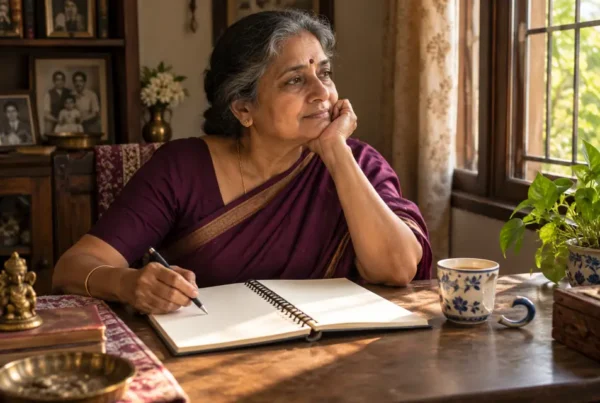
Write down what happened in a single instance before trying to explain the tradition across decades. Where were you? What could you see, hear, smell, or taste? Who was present, and what did each person do? If the memory feels incomplete, mark what you know and what you are unsure about. Honest uncertainty is better than adding details simply to make a scene seem polished.
Ask relatives for their versions
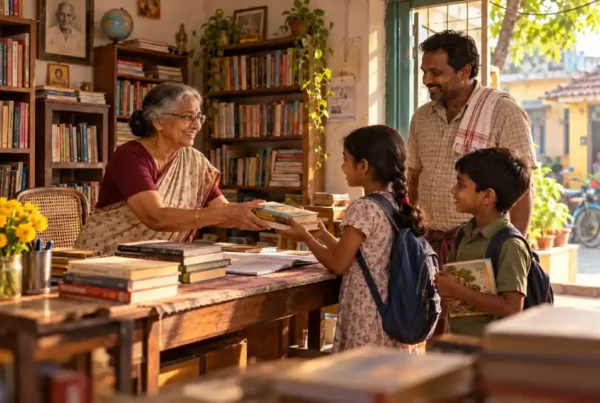
Family memories are rarely identical. Invite relatives to describe the custom in their own words: when they remember it beginning, who taught it to them, what they looked forward to, and whether anything about it changed. Ask open questions and give people time to think. You might learn that someone experienced the ritual differently, or that a detail you considered unimportant meant a great deal to another person.
With permission, record an oral history conversation or take notes soon afterward. Keep the speaker’s phrasing where it captures their personality, but do not turn a relative into a character who exists only to support your point. If a recollection conflicts with yours, you can acknowledge both perspectives. A family biography becomes richer when it shows how people remember the same event from different places in the room.
Write a scene before explaining its meaning
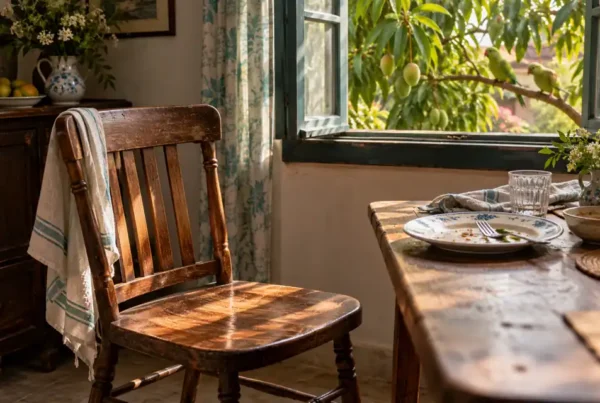
Readers connect with a tradition when they can see it unfold. Let the scene carry concrete details: the old serving bowl, a radio in another room, children waiting at the doorway, a familiar phrase spoken at the right moment. Include the people’s actions and a little dialogue if you remember it accurately. You do not need to make every moment dramatic. The ordinary rhythm is often what makes a family memory believable.
After the scene, reflect on what you understand now. Perhaps you once thought the custom was simply fun; later you saw the labor and planning behind it. Perhaps it gave you a sense of belonging during a difficult transition. Reflection links the younger self in the memory with the narrator writing today. This balance of scene and insight is one of the most useful tools in autobiography and personal history writing.
Preserve cultural context without assuming everyone knows it
Families carry traditions shaped by region, language, faith, migration, work, and relationships. Explain unfamiliar words or practices briefly, as if you were welcoming a curious reader into the room. You might describe what a celebration means to your family, how a dish is served, or why a particular day matters. Avoid treating one household’s version as the only version of a culture. Traditions vary between families and change over time.
If your family moved between countries or communities, show how customs were kept, adapted, or set aside. A recipe may use local ingredients in a new home; a gathering may shift to a different day because of work schedules; children may blend languages while elders preserve older expressions. These details make a family history specific while remaining understandable to readers in the United States, Canada, the United Kingdom, Australia, India, and elsewhere.
Show how a tradition changes across generations
A tradition is not a museum object. Ask who introduced it, who carried it forward, and what later generations changed. Maybe a grandparent began a yearly outing, a parent made it more accessible, and the children created a new version of their own. Perhaps the original custom stopped for a while and returned in a different form. These transitions can reveal love, disagreement, creativity, and the practical realities of family life.
Use a simple timeline if it helps you organize the details: earliest version, a change or interruption, and what happens now. You can also compare two scenes from different periods. The comparison will help readers see how your life story intersects with a wider family legacy. If your project includes several relatives’ lives, the family biography guide may help you think about whose perspective belongs in each chapter.
Be thoughtful about difficult or private memories
Not every tradition feels warm to everyone. A custom may have excluded someone, created pressure, or changed after a loss. You can write with affection without pretending a family was perfect. Describe what you personally experienced, distinguish memory from interpretation, and avoid presenting private information about someone else as yours to disclose. If a living relative may be identifiable, consider asking permission before including sensitive details.
Nuance does not weaken an inspiring story. It makes the account trustworthy. You can honor the comfort a ritual gave you while acknowledging that another person experienced it differently. You can explain that a practice faded without blaming one individual. The goal is not to settle every family disagreement on the page; it is to tell your part of the story fairly and with care.
Organize several traditions into a readable chapter
If you have many customs to record, avoid writing a catalogue. Group related memories around a theme such as food, celebrations, everyday routines, or welcome and belonging. Open with one vivid scene, then widen the lens to show how the practice began and changed. Move to a second scene only when it adds something new. A clear structure helps readers follow the family stories without losing the warmth of the details.
You can also connect each tradition to a stage of your own life: childhood, leaving home, becoming a parent, returning to a community, or building a new household. A digital autobiography can include captions or scanned keepsakes alongside the writing, but the words should still explain why an object matters. A photograph of a table is less meaningful than your memory of who always saved a seat and why.
Questions that can unlock a family memory
- What small ritual made an ordinary day feel special?
- Who taught you the custom, and how did they learn it?
- What sounds, objects, foods, or expressions do you associate with it?
- Did the tradition change when someone moved, married, grew older, or joined the family?
- What do younger relatives understand differently about it today?
Choose one question and write for ten minutes without correcting yourself. Then underline the details that feel vivid and the places where you need to ask someone else. This is a manageable way to record family stories without waiting for a perfect block of time.
Shape the memory into a lasting story
Once you have a first draft, check the sequence of events and names, then read it aloud. Replace general statements with one or two specific details, but do not overload the page. Ask whether the story makes clear who was there, what happened, and why it still matters to you. Keep the language natural; your voice is part of the inheritance.
Most of all, begin before every answer is settled. One honest scene can lead to a deeper family history, an autobiography, or a collection of memoir writing that relatives will continue. If you are gathering memories for a larger project, the life story book page offers a starting point for thinking about how separate memories can become a lasting record. Family traditions endure when someone takes the time to explain not only what was repeated, but the care, humor, and meaning that lived inside it.