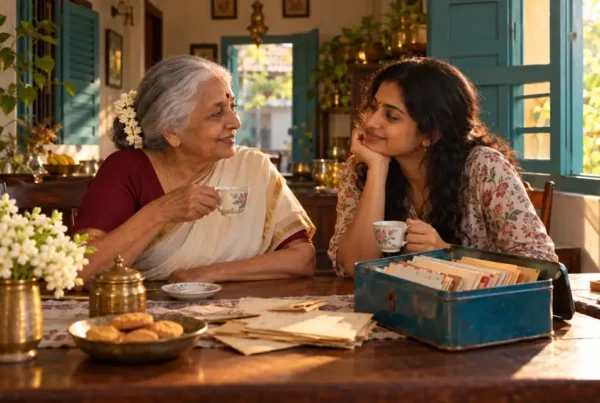
A personal historian helps people preserve the experiences, relationships, and turning points that make up a life. The work may lead to a written memoir, an autobiography, an oral history recording, or a family history book. The purpose is not to make every life sound extraordinary. It is to listen carefully, ask useful questions, organize memories, and help the person tell the story in a way that feels accurate and recognizably their own.
If you have wondered how to begin a life story but feel unsure about writing, a personal historian can offer structure without taking ownership of your voice. Understanding what the role includes makes it easier to decide whether you want professional support, a lighter editing service, or a do-it-yourself project with relatives.
What is a personal historian?
A personal historian works with an individual, couple, or family to record and shape personal history. Depending on the project, they may conduct interviews, build a timeline, review photographs and documents, transcribe spoken memories, draft chapters, edit a manuscript, or help arrange recordings and images. Some focus on writing; others specialize in oral history, research, archiving, or multimedia storytelling.
The phrase describes a kind of work, not one fixed credential or package. Before hiring anyone, ask what they actually provide. One person may offer a few recorded conversations and edited transcripts. Another may guide a complete autobiography writing project from early memories to a finished life story book.
What does a personal historian do?
The first task is listening. A historian learns what matters to you, who the intended readers are, and what you hope the finished work will preserve. They may ask about childhood, work, migration, relationships, family traditions, or a particular period. You decide the boundaries and the subjects that should remain private.
Next comes organization. Memories rarely arrive in neat chronological order. A personal historian may create a life timeline, group stories by theme, identify gaps, and note dates or details that need checking. Family photographs, letters, certificates, diaries, and a family tree can provide context, but they do not replace your recollection. A thoughtful project distinguishes documented facts from memory and from another person’s account.
Finally, the historian helps shape the material for its audience. This might mean selecting vivid scenes, adding context for younger relatives, improving transitions, or turning an interview into readable chapters. The aim is clarity, not a voice that sounds like somebody else.
Personal historian, ghostwriter, or writing service?
The terms overlap, so compare the process rather than relying on a label. A personal historian often emphasizes interviews, memory preservation, and source material. Ghostwriting services usually focus on writing a manuscript from the client’s interviews, notes, or existing drafts. Memoir writing services may help with a focused story built around a theme, while autobiography writing services may support a broader account of a person’s life.
Biography writing services generally tell another person’s story, often with research and interviews. A life story writer may offer a similar service under simpler language. None of these terms guarantees a particular method or quality. Ask who conducts the interviews, who writes and edits, how you approve changes, and whether the final pages will still sound like you.
How a life story project usually works
1. Set a purpose. Decide who will read or hear the story. A private record for children may need different detail from a memoir prepared for a wider audience. You can preserve a whole life or focus on one theme, such as migration, caregiving, a family business, or a change of direction.
2. Choose a format. The result may be a printed book, an oral history collection, a private digital autobiography, or a combination of written and recorded material. Choose the format that suits the storyteller and the people who will use it. A beautiful format is not useful if no one can access it later.
3. Gather starting material. Collect a few photographs, letters, recipes, certificates, maps, or objects that bring memories back. You do not need a complete archive before beginning. A small set of meaningful items is enough to start a conversation.
4. Record interviews and memories. Conversations may happen in person, by phone, or online. A good interviewer allows pauses, asks follow-up questions, and checks what a phrase means rather than rushing toward a dramatic quote. You can review recordings and ask for corrections.
5. Shape and review the story. The writer turns material into scenes, chapters, or a transcript. You should have a clear review process for facts, tone, names, and sensitive passages. Ask how many revision rounds are included before the work begins.
6. Preserve the final work. Keep the approved text, recordings, photographs, and any research notes in a format you can open and back up. Decide who may share the story and whether certain files should remain private.
How to prepare for your first conversation
You do not need to write a polished memoir outline. Start with a short list of places, people, and periods you want to remember. Mark the stories you most want your family to understand. If dates are uncertain, say so; a personal history can be honest without pretending every detail is exact.
Think about the feelings and context behind a memory. What did you believe at the time? What changed later? Which ordinary details help a reader picture the scene: the room, the route to work, a familiar sound, or an object kept for years? These specifics often reveal more than a list of milestones.
If you are preparing a family history book, invite relatives to contribute their own memories while keeping each person’s perspective distinct. A family tree can show relationships and dates, while interviews explain what those connections meant in daily life.
Protecting voice, privacy, and accuracy
Trust is central to this work. Ask how recordings and drafts will be stored, who can access them, and whether your materials will be used for anything beyond your project. Agree on how the historian will handle stories about living relatives, health, conflict, or other private matters. You can omit identifying details, request permission, or keep a chapter for family use only.
Also discuss ownership. Confirm who owns the manuscript, audio files, photographs, and research notes, and what happens if you pause or end the project. A written agreement should explain scope, fees, schedule, revisions, confidentiality, and cancellation terms in plain language.
Accuracy does not mean every memory must match a document perfectly. It means being transparent about uncertainty. A careful writer can preserve your perspective while noting that a date is approximate or that another relative recalls an event differently.
Questions to ask before choosing support
- What parts of the project do you handle: interviewing, research, writing, editing, design, or recording?
- Can I see an anonymized sample that shows how you preserve a storyteller’s voice?
- How are interviews recorded, stored, transcribed, and reviewed?
- How many chapters, interviews, revision rounds, or finished copies are included?
- Who owns the final work and source files, and what privacy options are available?
- What is the total cost, what could change it, and what schedule should I expect?
Listen to how a prospective writer responds. You should feel able to correct them, say no, and change the plan. A personal historian is a collaborator, not the authority on what your memories mean.
When to work with a historian—and when to begin alone
Professional support may help when the project feels emotionally difficult, the material is extensive, several relatives are contributing, or you want a polished book but do not want to write alone. If budget or privacy is a concern, begin with one recorded conversation, a shared family archive, or a simple timeline. You can always seek editing later.
For a practical starting structure, use our step-by-step autobiography guide. If your aim is to document places, people, and events across generations, our personal history writing guide can help you plan what to record.
A story worth keeping can begin simply
A personal historian can make the path from memory to finished story more manageable, but the heart of the work remains with the person who lived it. You bring the details only you can know: what you feared, what made you laugh, which choices mattered, and how your understanding changed with time.
Begin with one conversation or one scene. Keep the facts you can verify, mark what you are unsure of, and choose a format your family can preserve. Whether the result becomes an oral history, a memoir, an autobiography, or a digital life story, thoughtful support can help the next generation hear more than dates. It can help them understand the life behind them.